

Blog

Should O&P Prepare for Value‑Based Care? Part 2
If you’re still on the fence about “getting ready” for value‑based care, Part 2 of this series is where the math gets interesting. We skip the buzzwords and lay out what you actually gain from tightening outcomes, upgrading your professional identity, and acting like a true allied health partner—even if VBC never lands on your doorstep. From sharper clinical decisions to a stronger shield in a fraud‑sensitive world, this is the upside story no one’s telling O&P practices yet.

Should O&P Prepare for Value‑Based Care? A Cost–Benefit Reality Check for Real‑World Practices
Do you really have to change the practice for value‑based care—or can you just keep my head down and do what you do? Instead of doom‑and‑gloom, I want to walk you through a real cost–benefit analysis of tightening outcomes, shifting how people see prosthetists and orthotists. In a world where we are not well understood and where CMS is cracking down on DMEPOS fraud, can we thrive and be a valued part of the Value-based care chain?

The Value-Based Care Trap Part 2: The Hidden Costs of Change (and How Not to Get Burned)
People are saying we should fight for value-based care (which means —track outcomes, join networks, prove your value). But almost no one is talking about the bill that comes with that shift. In Part 2, The Hidden Costs of Change (and How Not to Get Burned), we break down the real price tag: data, culture, politics, and risk you don’t control. Before you play the VBC game, you need to know exactly what you’re putting on the table.
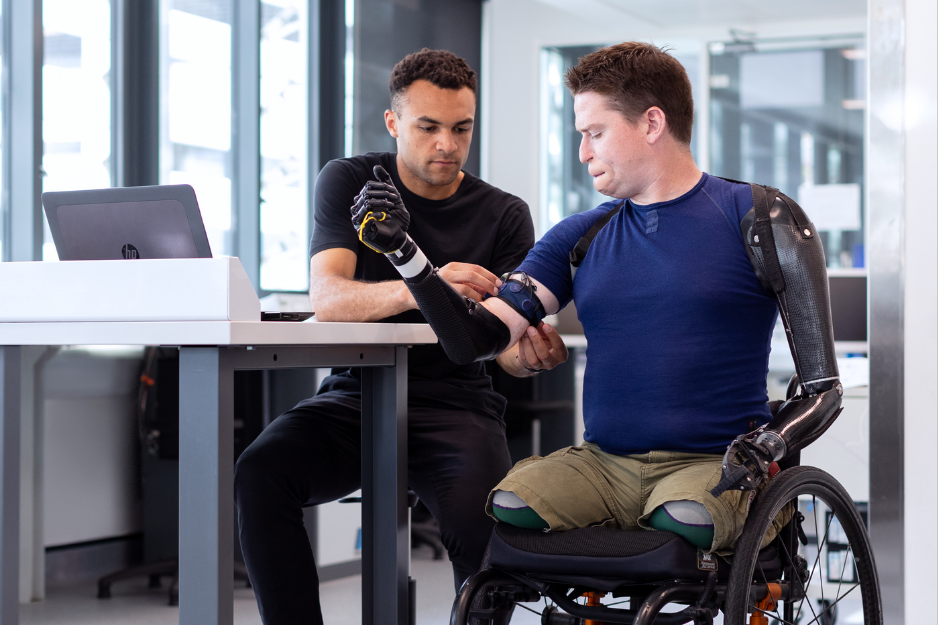
The Value-Based Care Trap Part 1: What We Stand to Gain (and Lose)
Everyone’s talking about “value-based care” like it’s the magic fix for O&P—better outcomes, more respect, maybe even better pay. But what if the same trend that could finally validate your clinical value also sets you up to be squeezed as a disposable line item? In Part 1 of The Value-Based Care Trap, we unpack what VBC really means for prosthetics and orthotics—and why it’s both your best opportunity in years and a quietly loaded bear trap.

Are We Really Fee-for-Service? The O&P Payment Illusion
Do you think O&P lives in a simple “bill the Lcode, get the check” world? Think again. Medicare says we’re fee-for-service, but your day-to-day reality already looks a lot like bundled, episode-based care—with all the risk and none of the control. If you’re still managing your practice as if every visit stands alone, you’re walking blind into the next wave of payment change. Before value-based care hits your doorstep, you need to see the fee-for-service illusion for what it is.

Tradition Vs Trends: Balancing Legacy and Innovation
Are you stuck between honoring tradition and chasing new trends? You’re not alone! Discover why clinging to the past or jumping on every innovation could be holding you back—and challenge me on how I think we can balance legacy with progress. Think about how you define true success and why patient care should always come first. Let’s thrive in an ever-changing O&P landscape.

From Chaos to Clarity
Have you ever read "The Wealth of Nations" by Adam Smith? Better yet, have you ever wondered how it applies to O&P? Join me in my quest to understand how a centuries-old book by an economist has practical application for today's O&P practice.

Mastering the Q1 Pivot
Is your practice ready to dominate in 2025? As Q1 ends, now's your chance to pivot and accelerate toward success. Learn the insider strategies top practices use to assess progress and skyrocket growth. Don't let another quarter slip by without maximizing your potential. Click now to unlock the secrets of Q1 mastery!!

Are you Thinking About Selling?
Are you thinking about your future? What does your business look like in a few years? Does the “freedom” of not being responsible for everything appeal to you? The grass is not always greener over there, but sometimes it is! Read on to see some considerations you should keep in mind if you are contemplating a change.

You Don’t Know What You Don’t Know
Do you ever have errors in your patient demographic data? Do you ever have a claim rejected because something was not submitted or was submitted incorrectly? Has a patient ever shown up for a delivery, but the device was not ready? Is there anything in your practice that you would like to do better?